

Here at Triumph Behavioral Health, a mental health care provider serving individuals and families throughout Maryland, we view wellness as a whole-person experience. While physical health often receives the most attention, mental health plays an equally critical role in how we function, feel, and live day to day. Mental health is not a separate or secondary aspect of wellness: It is deeply interconnected with physical health, emotional balance, relationships, work performance, and overall quality of life.
Understanding how mental health influences overall wellness can help individuals recognize when support is needed and why caring for mental health is an essential part of a healthy, fulfilling life. Today, we are going to take a closer look at how mental health plays into your overall wellness, reflecting on its role in the eight dimensions of wellness framework.
Mental Health as the Foundation of Wellness
Mental health affects how we think, feel, and behave. It also influences how we cope with stress, make decisions, and connect with others. When their mental health is supported, people are more likely to engage in healthy behaviors, maintain relationships, and adapt to life’s challenges. When mental health is strained, even basic daily tasks can feel overwhelming.
Wellness is often described as a balance of eight dimensions: physical, emotional, social, intellectual, occupational, financial, environmental, and spiritual. Our perspective? The emotional dimension, or what is often called simply mental health, serves as the foundation that supports all of these areas. Without psychological well-being, it becomes much harder to maintain balance in the rest of life.
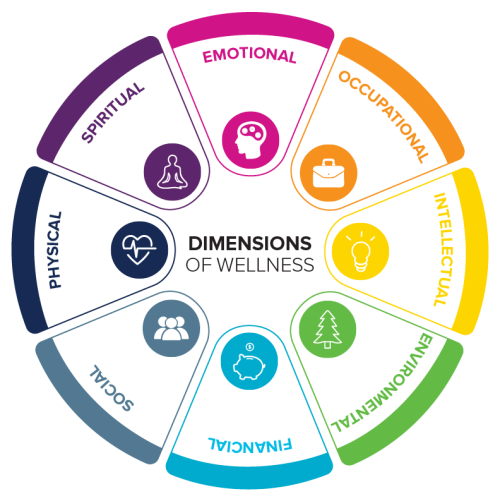
Image Source: University of California Davis
Mental Health and the Physical Dimension
Mental and physical health are closely linked through complex biological and behavioral pathways. Chronic stress, anxiety, and depression can contribute to physical symptoms such as headaches, digestive issues, muscle tension, fatigue, and weakened immune function. Over time, untreated mental health conditions may increase the risk of chronic illnesses such as heart disease, high blood pressure, and diabetes.
At the same time, physical health challenges can significantly impact mental well-being. Living with chronic pain, illness, or mobility limitations often affects mood, self-esteem, and emotional resilience. This bidirectional relationship highlights why integrated care (addressing both mental and physical health) is so important for long-term wellness.
When individuals prioritize mental health care, they often experience improvements in sleep, energy levels, appetite regulation, and motivation to engage in healthy behaviors such as exercise and nutrition.
Mental Health and the Emotional Dimension
Mental health plays a central role in emotional regulation, meaning the ability to understand, manage, and respond to emotions effectively. When mental health is compromised, emotions may feel overwhelming, unpredictable, or difficult to control. This can lead to increased irritability, withdrawal, emotional numbness, or heightened anxiety.
Healthy emotional regulation supports overall wellness by allowing individuals to…
Respond to stress rather than react impulsively
Communicate needs clearly
Navigate conflict more effectively
Experience a broader range of emotions without feeling consumed by them
At Triumph Behavioral Health, we help our clients build emotional awareness and coping skills that support daily functioning and long-term well-being.
Mental Health and the Social Dimension
Human connection is a vital component of wellness, and mental health significantly influences how we relate to others. Anxiety, depression, trauma, and other mental health challenges can affect communication, trust, boundaries, and intimacy. Here are a few examples…
Depression may lead to social withdrawal or feelings of being a burden
Anxiety may create fear of judgment or conflict
Trauma can impact attachment, safety, and emotional closeness
When mental health needs go unmet, relationships may experience strain, misunderstandings, or disconnection. Conversely, improving mental health can strengthen relationships by increasing emotional availability, empathy, and effective communication.
Healthy relationships also support mental health, creating a positive cycle where connection and well-being reinforce one another.
Mental Health and the Occupational Dimension
Mental health directly affects concentration, productivity, decision-making, and job satisfaction. High levels of stress, burnout, or untreated mental health conditions can lead to decreased performance, absenteeism, or difficulty maintaining work-life balance.
Occupational wellness is not just about job success. It is about feeling a sense of purpose, balance, and fulfillment in one’s work. When mental health is supported, individuals are better equipped to set boundaries, manage stress, and align their work with their values.
In Maryland and beyond, many individuals delay seeking mental health support due to stigma or fear of appearing weak. In reality, addressing mental health concerns often leads to improved confidence, resilience, and professional effectiveness.
Mental Health and Intellectual Dimension
Intellectual wellness pertains to ongoing learning, curiosity, and engagement in mentally stimulating activities. Healthy mental functioning enhances focus, creativity, memory, and problem-solving, qualities that support lifelong learning and personal growth.
Conversely, mental health challenges such as anxiety, depression, or cognitive fatigue can interfere with concentration and make learning feel overwhelming. Nurturing mental health enables individuals to remain open-minded, pursue new interests, and embrace opportunities that expand their knowledge and skills, contributing to a richer intellectual life.
Mental Health and the Environmental Dimension
Environmental wellness involves living in spaces that promote comfort, safety, and well-being. Mental health both affects and is affected by these surroundings. Stressful or chaotic environments (such as cluttered living spaces, unsafe neighborhoods, or high-pressure workplaces) can heighten anxiety and emotional distress.
At the same time, environments that are clean, calming, and supportive can bolster mental health by reducing stress and promoting a sense of safety and control. Individuals with strong mental wellness are better equipped to make intentional choices about the spaces they inhabit, advocate for healthier conditions, and seek out environments that nurture their overall wellness.
Mental Health and the Financial Dimension
Financial wellness refers to managing finances in ways that create stability, security, and freedom from undue stress. Mental health plays a major role in financial decision-making, planning, and stress management. Anxiety and depression can disrupt focus, reduce motivation, and make financial responsibilities feel overwhelming, which may compound financial stress. Likewise, financial strain can have an impact on a person’s mental health.
On the other side of the coin, getting support with your mental health can help you with clearer judgment, realistic goal-setting, and the emotional resilience needed to navigate financial challenges. By caring for mental well-being, individuals can approach budgeting, saving, and long-term planning with greater confidence and fewer negative emotional barriers.
Mental Health and the Spiritual Dimension
Spiritual wellness centers on exploring meaning, purpose, and connection to something larger than oneself. Mental health supports the reflective and introspective work involved in spiritual well-being. When individuals have the psychological tools to understand their values, cope with uncertainty, and process existential questions, they are better positioned to explore life purpose, practice mindfulness, engage in spiritual traditions, or deepen their personal belief systems.
Conversely, poor mental health can make self-reflection feel daunting or overwhelming. Supporting mental wellness creates internal clarity and resilience, which enhances the ability to engage in spiritual pursuits that contribute to a fulfilling and grounded life.
Reducing Stigma and Encouraging Support
One of the most significant barriers to overall wellness is the stigma surrounding mental health care. Many people believe they should be able to “handle it on their own” or worry that seeking help means something is wrong with them.
At Triumph Behavioral Health, we believe that seeking mental health support is a proactive step toward wellness, not a sign of failure. Mental health care is just as valid and necessary as physical health care, and early support can prevent concerns from becoming more severe.
When individuals prioritize mental health, they often report improvements not only in mood, but in energy, relationships, confidence, and overall life satisfaction.
True wellness includes caring for mental health intentionally and consistently. This may involve:
Attending therapy or counseling
Practicing stress management techniques
Building supportive relationships
Setting healthy boundaries
Addressing trauma or unresolved emotional challenges
Mental health changes over time and requires ongoing attention, just like physical health. Integrating mental health care into a wellness lifestyle supports balance, adaptability, and long-term well-being.
Final Thoughts From the Triumph Behavioral Health Team
Mental health is central to overall wellness Every aspect of life, from physical health to relationships and work, is influenced by psychological well-being. When mental health is supported, individuals are better equipped to live with intention, resilience, and fulfillment.
At Triumph Behavioral Health, we are committed to providing compassionate, evidence-based mental health care to individuals and families across Maryland. Whether you are navigating stress, anxiety, depression, trauma, or life transitions, support is available.
Caring for your mental health is one of the most powerful investments you can make in your overall wellness, and you don’t have to do it alone. Reach out to our team today to get the help you need. At Triumph, we care.